Using Accent ColorsAccent colors are used to add interest and contrast. A well-placed accent wall or a piece of colorful furniture can bring a room to life and create focal points.
Balancing Color in a Room
Balance is key when using color in interior design. Too much of one color can be overwhelming, while too little can be underwhelming.
Color Proportions
Understanding the right proportions of color is essential. Designers often use the 60-30-10 rule to achieve a balanced look.
The 60-30-10 Rule
This rule suggests that 60% of the room should be a dominant color, 30% a secondary color, and 10% an accent color. This creates a visually appealing balance.
Popular Color Schemes
Different color schemes can dramatically change the look and feel of a space. Let's explore some popular ones.
Monochromatic
A monochromatic color scheme uses variations in lightness and saturation of a single color. This creates a cohesive and soothing look.
Analogous
Analogous color schemes use colors that are next to each other on the color wheel. They are harmonious and pleasing to the eye.
Complementary
Complementary colors are opposite each other on the color wheel. This scheme creates high contrast and vibrant looks.
Triadic and Tetradic
Triadic color schemes use three evenly spaced colors on the wheel, while tetradic schemes use four. Both create rich, dynamic palettes.
Case Studies: Real-Life Applications
Seeing how color theory is applied in real-world settings can provide valuable insights. Read about the best Luxury Interior Design. Here are a few examples.
Residential Spaces
In homes, color is used to reflect personal style and enhance comfort. For example, a tranquil bedroom might use cool blues and soft neutrals to promote relaxation.
Commercial Spaces
In commercial settings, colors are used to influence customer behavior and create brand identity. A vibrant cafe might use warm colors to stimulate appetite and conversation.
Tips for Choosing the Right Colors
Choosing the right colors can be daunting. Here are some tips to help you make the best choices.
Considering Lighting
Lighting can dramatically affect how colors appear. Natural light shows the true color, while artificial light can alter its hue. Test colors in different lighting conditions before deciding.
Testing Colors
Before CommittingAlways test paint colors on the walls before committing. Paint a small section and observe it at different times of the day to see how it changes with the light.
Understanding Personal Preferences
Your personal preferences should guide your color choices. If a particular color makes you happy, find a way to incorporate it into your design.
Conclusion
Color is a powerful tool in interior design that can transform a space in countless ways. Minimalist Design By understanding color theory, the psychological impact of colors, and how to apply these concepts, you can create beautiful, harmonious, and personalized spaces.
The Value of 3D Rendering in Interior Design Projects
Interior design is an art that blends creativity with functionality. One of the groundbreaking technologies transforming this field is 3D rendering. This powerful tool has revolutionized how designers conceptualize and present their ideas. But what exactly makes 3D rendering so valuable in interior design? Let's dive in and explore.
Introduction
Imagine walking through a room that hasn't been built yet. With 3D rendering, this is possible. This technology provides a photorealistic image of a space, capturing every detail from textures to lighting. It's like having a virtual tour before the actual construction begins.
Understanding 3D Rendering
What is 3D Rendering?
3D rendering is the process of creating three-dimensional images from a computer model. These images can be static or animated, offering a realistic representation of how a space will look once completed. Think of it as crafting a digital photograph of an interior before it exists in reality.
Historical Context of 3D Rendering
The journey of 3D rendering began in the late 20th century. Initially used in film and video game industries, it soon found its way into architecture and interior design. The advancements in computer graphics and software have made 3D rendering more accessible and sophisticated, allowing for highly detailed and realistic images.
Advantages of 3D Rendering
Enhanced Visualization
Realistic Perspectives
One of the key benefits of 3D rendering is the ability to create realistic perspectives. It's like having a photograph of a room that hasn't been built yet. This level of detail helps clients understand the designer's vision clearly.
Detailed Interiors
From the texture of the walls to the placement of furniture, 3D rendering captures every minute detail. This comprehensive visualization ensures that nothing is left to the imagination, reducing misunderstandings and ensuring client satisfaction.
Improved Communication
Designer-Client Collaboration
Effective communication between designers and clients is crucial. 3D rendering bridges the gap by providing a visual representation of ideas, making it easier for clients to give feedback and for designers to make adjustments.
Stakeholder Engagement
Beyond clients, 3D renderings are also valuable for engaging other stakeholders such as contractors, investors, and regulatory bodies. A clear visual can help in gaining approvals and support for the project.
Cost Efficiency
Reduced Revisions
3D renderings allow for early identification of potential issues. By addressing these problems in the design phase, costly revisions during construction can be avoided. This proactive approach saves time and money.
Efficient Resource Management
With a clear visual plan, resources can be allocated more effectively. Materials, labor, and time are used more efficiently, contributing to a smoother project workflow.
Applications of 3D Rendering
Concept Development
During the initial stages of a project, 3D renderings help in developing concepts. They provide a tangible representation of abstract ideas, facilitating better decision-making and creativity.
Design Validation
Before moving forward with construction, 3D renderings validate the design. They ensure that the planned layout, lighting, and furnishings work together harmoniously, preventing costly mistakes.
Marketing and Presentation
3D renderings are powerful marketing tools. They make presentations more engaging and persuasive, helping designers to win clients and secure projects. A stunning visual can make all the difference in a competitive market.
Tools and Software for 3D Rendering
Popular 3D Rendering Software
Some of the popular software used in 3D rendering include AutoCAD, SketchUp, and 3ds Max. These tools offer a range of features that cater to different aspects of interior design, from drafting to final rendering.
Choosing the Right Tool
Selecting the right software depends on the specific needs of the project. Factors such as ease of use, compatibility with other design tools, and the level of detail required should be considered.
Challenges and Solutions
Common Challenges
Despite its advantages, 3D rendering comes with challenges such as high costs, steep learning curves, and the need for powerful hardware. These obstacles can hinder its widespread adoption.
Overcoming Obstacles
To overcome these challenges, designers can start with basic tools and gradually upgrade as they gain proficiency. Investing in training and staying updated with technological advancements also helps in maximizing the benefits of 3D rendering.
Future of 3D Rendering in Interior Design
Technological Advancements
The future of 3D rendering looks promising with advancements in artificial intelligence and virtual reality. These technologies will make renderings even more realistic and interactive, providing immersive experiences for clients.
Emerging Trends
Trends such as augmented reality (AR) are emerging, allowing clients to visualize designs in their actual space using smartphones or AR glasses. This integration of AR with 3D rendering is set to revolutionize the interior design industry.
Conclusion
In conclusion, 3D rendering has become an invaluable tool in interior design. Its ability to provide realistic visualizations, improve communication, and enhance cost efficiency makes it essential for modern design projects. As technology continues to advance, the potential of 3D rendering will only grow, offering exciting possibilities for designers and clients alike. So, whether you're a seasoned designer or just starting, embracing 3D rendering can elevate your projects to new heights.
Interior Design Tips for Creating a Luxurious Home on a Budget
Creating a luxurious home doesn't mean you have to break the bank. With some strategic planning and a bit of creativity, you can transform your living space into a chic and elegant haven.
Planning Your Luxurious Budget
Setting a Realistic Budget
Before diving into design, it's crucial to set a realistic budget. Assess your financial situation and decide how much you can comfortably allocate to your home improvement project. Allocating funds wisely is the key. Determine what areas of your home need the most attention and what can be done within your budget.
Prioritizing Key Areas
Not all rooms are created equal. Focus on high-impact rooms like the living room and master bedroom, where luxurious touches will be most noticeable. Functional spaces like the kitchen and bathroom can also benefit from a few elegant upgrades. Prioritizing these areas ensures your budget goes a long way.
Choosing the Right Colors and Textures
Color Schemes for Luxury
Colors play a significant role in setting the tone of a room. Neutral tones like beige, gray, and cream exude sophistication and provide a versatile backdrop for bolder accents. Adding pops of bold colors through accessories or accent walls can create visual interest and a sense of luxury.
Incorporating Textures
Textures add depth and richness to your interior design. Opt for luxurious fabrics like velvet, silk, or linen for cushions, curtains, and upholstery. Layering different textures, such as a plush rug over a sleek floor, can instantly elevate the look and feel of your space.
Investing in Statement Pieces
Finding Affordable Statement Furniture
You don't have to spend a fortune to find statement pieces. Thrift stores, flea markets, and online marketplaces are treasure troves for unique furniture at a fraction of the cost. Look for items with good bones that can be refinished or reupholstered to fit your style.
Highlighting Unique Accessories
Accessories can make or break a room's aesthetic. Art pieces, whether paintings, sculptures, or framed photographs, add a personal touch and sophistication. Decorative objects like vases, candles, and books can also enhance the luxurious feel without straining your budget.
DIY and Upcycling Projects
Transforming Old Furniture
Get creative with DIY and upcycling projects. Old furniture can be given a new lease on life with a fresh coat of paint or a new finish. Reupholstering chairs or sofas with luxurious fabrics can completely transform their appearance.
Creative Decor Hacks
Handmade wall art and custom shelving are great ways to add personality to your home. These projects are often inexpensive and allow you to tailor your decor to your exact taste, making your home uniquely yours.
Utilizing Lighting to Enhance Ambiance
Choosing Elegant Light Fixtures
Lighting is crucial in creating ambiance.
Smart Lighting Solutions
Smart lighting options, such as dimmers and smart bulbs, allow you to control the mood and ambiance of your space easily. Layered lighting, which combines ambient, task, and accent lighting, creates a dynamic and inviting atmosphere.
Incorporating Greenery and Natural Elements
Indoor Plants for Elegance
Indoor plants are a cost-effective way to add elegance and a touch of nature to your home. Choose low-maintenance plants that thrive indoors, and pair them with stylish planters that complement your decor.
Natural Materials and Textures
Incorporating natural materials like wood, stone, and eco-friendly decor can enhance the luxurious feel of your home. These elements add warmth and authenticity, creating a cozy and sophisticated environment.
Creating a Cohesive Design
Consistent Theme and Style
A cohesive design ties everything together. Match furniture and decor to create a unified look. Harmonizing colors and patterns across different rooms ensures a smooth transition and a polished appearance.
Personal Touches
Finally, add personal touches to your home. Family photos, travel souvenirs, and DIY projects reflect your personality and make your space truly special. These personal elements add warmth and uniqueness to your luxurious home.
Conclusion
Creating a luxurious home on a budget is entirely possible with careful planning and a bit of creativity. By focusing on key areas, choosing the right colors and textures, investing in statement pieces, and incorporating personal touches, you can achieve a high-end look without overspending.
How to Find Inspiration for Your Interior Design Project
Introduction
Have you ever stared at a blank room, wondering where to begin with your interior design project? We've all been there. Finding the right inspiration can feel like searching for a needle in a haystack, but once you find it, everything else falls into place. So, let's dive into how you can find that spark of creativity and transform your space.
Why Inspiration Matters in Interior Design
Inspiration is the backbone of any successful interior design project. It provides a vision, a direction, and a goal to work towards. Without it, your project might lack cohesion and personality.
Setting the Stage for Your Design Journey
Before you dive in, it's crucial to understand your needs and preferences. Think about how you want the space to feel and function. This initial stage sets the foundation for your design journey.
Start with What You Love
Analyzing Your Personal Style
The best place to start is with yourself. What colors, textures, and styles do you naturally gravitate towards? Take a moment to analyze your wardrobe, your favorite places, and the things you cherish.
Creating a Mood Board
Gather images, fabric swatches, paint samples, and anything else that catches your eye. A mood board helps you visualize your ideas and see how they come together. It's like a Pinterest board but in real life!
Explore Different Sources of Inspiration
Home Decor Magazines and Books
Print media is a treasure trove of ideas. Flip through home decor magazines and design books to see what resonates with you.
Online Platforms and Social Media
Websites like Pinterest, Instagram, and Houzz are brimming with inspirational photos. Follow designers, save images, and create digital mood boards.
Visiting Showrooms and Stores
There's nothing like seeing furniture and decor in person. Visit local showrooms and stores to get a feel for different styles and trends.
Look to Nature
Bringing the Outdoors In
Nature is an endless source of inspiration. Think about how you can incorporate natural elements like wood, stone, and plants into your design.
Seasonal Changes and Their Influence
Different seasons bring different colors and moods. Let the changing seasons inspire your color palette and decor choices.
Draw from Art and Culture
Incorporating Art Pieces
Art can be a fantastic focal point in any room. Whether it's a painting, sculpture, or a simple photograph, art adds character and tells a story.
Cultural Elements and Global Inspirations
Drawing inspiration from different cultures can add a unique flair to your design. Think about incorporating textiles, patterns, and artifacts from around the world.
Learn from the Pros
Studying Professional Designers
Professional designers have a wealth of experience and a keen eye for detail. Follow their work and take note of what you like and don't like.
Attending Design Workshops and Events
Workshops and design events are excellent opportunities to learn new skills and get inspired by the latest trends and innovations.
Take Inspiration from Everyday Life
Memories and Personal Experiences
Your personal experiences and memories can be a rich source of inspiration. Think about places you've visited, things you've done, and how you can bring those elements into your home.
Everyday Objects and Their Beauty
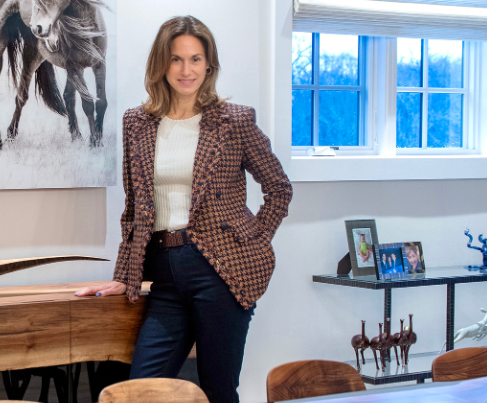
As soon as possible! Lara can come in at any point, but we’ll be the most helpful during the architectural phase for new construction or large additions/renovations. Knowing where the furniture, lighting, etc. will be going BEFORE construction starts can often prevent costly re-dos.
Whatever works best for you! If you have a contractor you love, we are happy to work with them. If you need awesome recommendations or want to compare estimates, Lara will gladly refer her amazing team!
Starting with a comprehensive walk through of your home and/or review of your plans, we gather your ideas and desires for your home. Next, designs are created with in-house drawings, renderings, and design boards. After your approvals, we facilitate costs, create a schedule, and begin ordering. Upon work commencing, we manage contractors, oversee progress, inspect and place deliveries. Finally, styling will finish your home and now it’s time to host your housewarming party!
Great! Please fill out our form on our Contact Page, the more details you share, the better! Or call our office at 914-939-5777, we look forward to hearing from you!
Anything for the interior of your home! Lara shops for, or has custom made in one of her artisan workrooms, any of the following: flooring, countertops, tile, hardware, paint, wallpaper, plumbing fixtures, lighting fixtures, bathroom fixtures, kitchen fixtures & appliances, furniture, outdoor furniture, fabrics, rugs, window treatments, pillows, bedding, artwork, mirrors, & accessories. Lara has established relationships with many trade-only manufacturers, giving her access to the most exceptional and unique items not available to the public.
Our project budget minimum is $150K (construction and décor costs). Each year we take a couple of projects that fall under this depending on location and other variables. Please fill out the form on our Contact Page with your design details to see if we’d be a good fit, we’d love to hear from you!
Yes! Lara loves to travel and meet clients wherever they reside. The same expert design processes apply for out-of-state projects to ensure a smooth and seamless experience. Although most of our clients reside in Westchester, NY and Greenwich CT, Lara has completed projects in many other locations.
Yes! Our kitchens and most bathroom designs include Lara’s custom cabinetry. Built-ins such as bookcases, TV units, mudroom benches & cubbies, fireplace mantels, wall paneling, detailed moldings…you name it, we can do it beautifully and typically faster than any cabinetry company.
Our full-service interior design firm will take your home design project from start to finish. From creating tailored-made, innovative designs, to implementing them, to overseeing construction, then ordering, installing, and finally to styling, we do it all. We are with you every step of the way to ensure no detail is overlooked and all goes according to plan. Under Lara & her team’s watchful eye, you can relax and enjoy the process.
Absolutely! Lara purposefully limits the number of projects she takes on at a time so she can personally create and oversee each one. Forging long lasting relationships with clients is something she is proud of and why past client’s consistently call her back.